
Dealing With Grief
Professional Support
We understand that the journey of grief is a deeply personal and challenging experience. Losing a loved one can leave us feeling overwhelmed, lost, and uncertain about how to navigate the emotional turmoil that follows. We believe that during these difficult times, a compassionate and supportive hand can make all the difference.
Grief Support
Life Can be Hard
Seeking help for life’s changes and challenges can be even harder. Demands come at us in every possible form. From huge, life-changing events to small, annoying daily hassles, stress adds up and starts weighing you down. We want you to know you are not alone in this process. We are here with you every step of the way. Together, we will help you build a foundation you can rely on every day as you move in the direction of living the more meaningful, satisfying and relaxing life you want to live. DeJohn Funeral Homes offers support for those working through the process of grief.
Services
Grief Support is offered at our Willoughby Hills & Chesterland locations
Call Patty DeJohn to schedule an appointment | 440.278.7103
Bereavement Coaching
60-Minutes | $80.00
1-on-1 counseling rooted in Life Wellness Coaching
Wellness Coaching is personal coaching for many of the developmental stages one goes through in order that one may live a fully functioning life.
Reiki
45-Minutes | $60.00
Hands on healing
Reiki is a form of hands-on healing that helps to de-stress, energize & heal the body, mind and spirit.
Private Pay
Insurance not accepted
Payment due at time of service | Cash, check or credit cards accepted
A Note From Patty
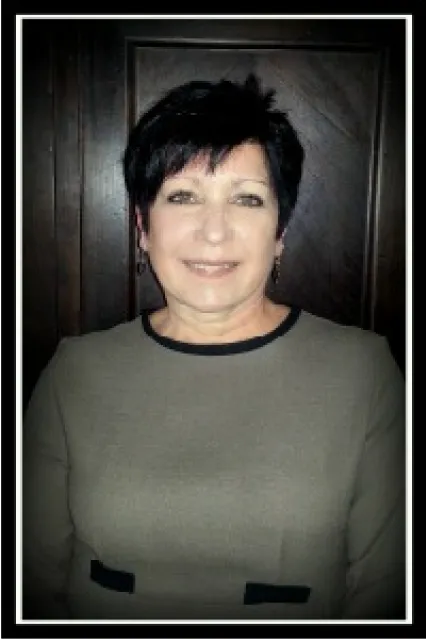
Patricia DeJohn, MA
I have always believed in the wellness model. Having the opportunity to be with people on an emotional, physical, and spiritual level appeals to me. Since 1989, I have been facilitating grief support groups for DeJohn Funeral Home. I believe it is especially important to assist families in dealing with their grief. As a grief specialist, I have taught courses on death and dying at Ursuline College, and have facilitated grief support groups. I graduated with a degree in Psychology from Ursuline College and received my Master’s Degree in Clinical Counseling from John Carroll University. In addition to my Bereavement work at the funeral home, I share my
experience with the community, and have led workshops and lectures for the Catholic Diocese of Cleveland, Hospice of the Western Reserve, and many local churches and community organizations. I am also a member of the Association for Death Education & Counseling.
How Can We Help?
Find answers to common questions about our services, resources, and how we can support you.
Grief
GRIEF: “Is reaching out for someone who’s always been there, only to find when you need them the most, one last time, they’re gone.”
The death of a loved one is life’s most painful event. People’s reactions to death remain one of society’s least understood and most off-limits topics for discussion. Oftentimes, grievers are left totally alone in dealing with their pain, loneliness, and isolation.
Grief is a natural emotion that follows death. It hurts. Sadness, denial, guilt, physical discomfort, and sleeplessness are some of the symptoms of grief. It is like an open wound which must become healed. At times, it seems as if this healing will never happen. While some of life’s spontaneity begins to return, it never seems to get back to the way it was. It is still incomplete. We know, however, that these feelings of being incomplete can disappear.
Healing is a process of allowing ourselves to feel, experience, and accept the pain. In other words, we give ourselves permission to heal. Allowing ourselves to accept these feelings is the beginning of that process.
The healing process can take much less time than we have been led to believe. There are two missing parts. One is a safe, loving, professionally guided atmosphere in which to express our feelings; the other is knowing how and what to communicate.
The Grieving Process
When we experience a major loss, grief is the normal and natural way our mind and body react. Everyone grieves differently. And at the same time there are common patterns people tend to share.
For example, someone experiencing grief usually moves through a series of emotional stages, such as shock, numbness, guilt, anger and denial. And physical responses are typical also. They can include: sleeplessness, inability to eat or concentrate, lack of energy, and lack of interest in activities previously enjoyed.
Time always plays an important role in the grieving process. As the days, weeks and months go by, the person who is experiencing loss moves through emotional and physical reactions that normally lead toward acceptance, healing and getting on with life as fully as possible.
Sometimes a person can become overwhelmed or bogged down in the grieving process. Serious losses are never easy to deal with, but someone who is having trouble beginning to actively re-engage in life after a few months should consider getting professional help. For example, if continual depression or physical symptoms such as loss of appetite, inability to sleep, or chronic lack of energy persists, it is probably time to see a doctor.
Helping Yourself Heal
Allow Yourself to Mourn
Someone you love has died. You are now faced with the difficult, but important, need to mourn. Mourning is the open expression of your thoughts and feelings regarding the death and the person who has died. It is an essential part of healing. You are beginning a journey that is often frightening, painful, overwhelming and sometimes lonely. This brochure provides practical suggestions to help you move toward healing in your personal grief experience.
Realize Your Grief is Unique
Your grief is unique. No one will grieve in exactly the same way. Your experience will be influenced by a variety of factors: the relationship you had with the person who died, the circumstances surrounding the death, your emotional support system and your cultural and religious background.
As a result of these factors, you will grieve in your own special way. Don’t try to compare your experience with that of other people or to adopt assumptions about just how long your grief should last. Consider taking a “one-day-at-a-time” approach that allows you to grieve at your own pace.
Talk About Your Grief
Express your grief openly. By sharing your grief outside yourself, healing occurs. Ignoring your grief won’t make it go away; talking about it often makes you feel better. Allow yourself to speak from your heart, not just your head. Doing so doesn’t mean you are losing control, or going “crazy”. It is a normal part of your grief journey. Find caring friends and relatives who will listen without judging. Seek out those persons who will “Walk with, not in front of” or “behind” you in your journey through grief. Avoid people who are critical or who try to steal your grief from you. They may tell you, “keep your chin up” or “carry on” or “be happy.” While these comments may be well intended, you do not have to accept them. You have a right to express your grief; no one has the right to take it away.
Expect to Feel a Multitude of Emotions
Experiencing a loss affects your head, heart and spirit. So you may experience a variety of emotions as part of your grief work. Confusion, disorganization, fear, guilt, relief or explosive emotions are just a few of the emotions you may feel. Sometimes these emotions will follow each other within a short period of time. Or they may occur simultaneously.
As strange as some of these emotions may seem, they are normal and healthy. Allow yourself to learn from these feelings. And don’t be surprised if out of nowhere you suddenly experience surges of grief, even at the most unexpected times. These grief attacks can be frightening and leave you feeling overwhelmed. They are, however, a natural response to the death of someone loved. Find someone who understands your feelings and will allow you to talk about them.
Allow for, Numbness
Feeling dazed or numb when someone loved dies is often part of your early grief experience. This numbness serves a valuable purpose: it gives your emotions time to catch up with what your mind has told you. This feeling helps create insulation from the reality of the death until you are more able to tolerate what you don’t want to believe.
Be Tolerant of Your Physical and Emotional Limits
Your feelings of loss and sadness will probably leave you fatigued. Your ability to think clearly and make decisions may be impaired. And your low energy level may naturally slow you down. Respect what your body and mind are telling you. Nurture yourself. Get daily rest. Eat balanced meals. Lighten your schedule as much as possible. Caring for yourself doesn’t mean feeling sorry for yourself; it means you are using survival skills.
Develop a Support System
Reaching out to others and accepting support is often difficult, particularly when you hurt so much. But the most compassionate self-action you can do during this difficult time is to find a support system of caring friends and relatives who will provide the understanding you need. Find those people who encourage you to be yourself and acknowledge your feelings – both happy and sad.
Make Use of Ritual
The funeral ritual does more than acknowledge the death of someone loved. It helps provide you with the support of caring people. Most importantly, the funeral is a way for you to express your grief outside yourself. If you eliminate this ritual, you often set yourself up to repress your feelings and you cheat everyone who cares for a chance to pay tribute to someone who was, and always will be, loved.
Embrace Your Spirituality
If faith is part of your life; express it in ways that seem appropriate to you. Allow yourself to be around people who understand and support your religious beliefs. If you are angry with God because of the death of someone you loved, realize this feeling as a normal part of your grief work. Find someone to talk with who won’t be critical of whatever thoughts and feelings you need to explore.
You may hear someone say, “With faith, you don’t need to grieve.” Don’t believe it. Having your personal faith does not insulate you from needing to talk out and explore your thoughts and feelings. To deny your grief is to invite problems that build up inside you. Express your faith, but express your grief as well.
Allow a Search for Meaning
You may find yourself asking. “Why did he die?” “Why this way?” “Why now?” This search for meaning is another normal part of the healing process. Some questions have answers. Some do not. Actually, the healing occurs in the opportunity to pose the questions, not necessarily in answering them. Find a supportive friend who will listen responsively as you search for meaning.
Treasure Your Memories
Memories are one of the best legacies that exist after someone loved dies. Treasure them. Share them with your family and friends. Recognize that your memories may make you laugh or cry. In either case, they are a lasting part of the relationship that you had with a very special person in your life.
Move Toward Your Grief and Heal
The capacity to love require the necessity to grieve when someone you love dies. You can’t heal unless you openly express your grief. Denying your grief will only make it become more confusing and overwhelming. Embrace your grief and heal.
Reconciling your grief will not happen quickly. Remember, grief is a process, not an event. Be patient and tolerant with yourself. Never forget that the death of someone loved changes your life forever. It’s not that you won’t be happy again. It’s simply that you will never be exactly the same as you were before the death.
“The experience of grief is powerful. So, too, is your ability to help yourself heal. In doing the work of grieving, you are moving toward a renewed sense of meaning and purpose in you life.”
Dr. Alan D. Wolfelt
Center for loss and life transition
Accepting a loss
For each of us – rich or poor, young or old – there are times in our lives when we must face and deal with personal losses and the pain and sorrow they cause. Examples that come easily to mind are the death of a parent, spouse, child, or other close family member or friend. Many other events and transitions also bring with them sadness and a need to grieve:
Being told you have a serious, possibly terminal illness.
Having to give up interests and activities that have been a major part of your life.
Seeing serious decline in mental or physical health of someone you love.
Retiring from a work career or voluntary activity that has helped shape who you are and what you stand for.
Losing a significant part of your independence and mobility; even giving up driving a car can be a significant loss for many people.
Moving out of your home.
Saying goodbye to a favorite pet.
Losses such as these are simply part of living. Like their counterparts among the joyful occasions in our lifetime – the birth of a child or grandchild, a celebration of marriage, an enduring friendship – they are part of what it means to share in the human experience. And the emotions they create in us are part of living, as well.