
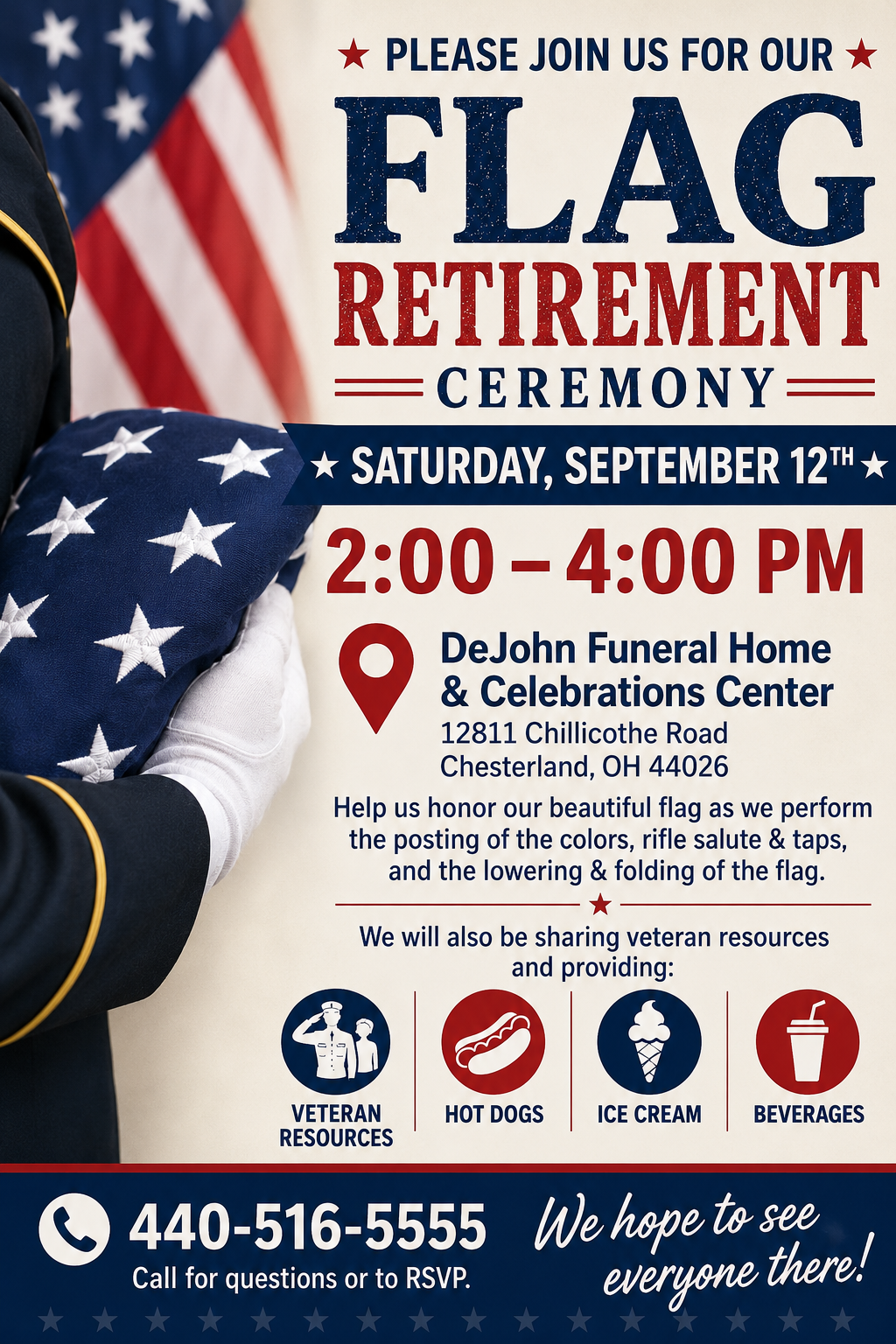
Flag Retirement Ceremony: September 12th at 2 pm
Join us for our Annual Flag Retirement Ceremony on Saturday, September 12 at 2 pm at our Chesterland location at
DeJohn Funeral Homes and Crematory

Join us for our Annual Flag Retirement Ceremony on Saturday, September 12 at 2 pm at our Chesterland location at
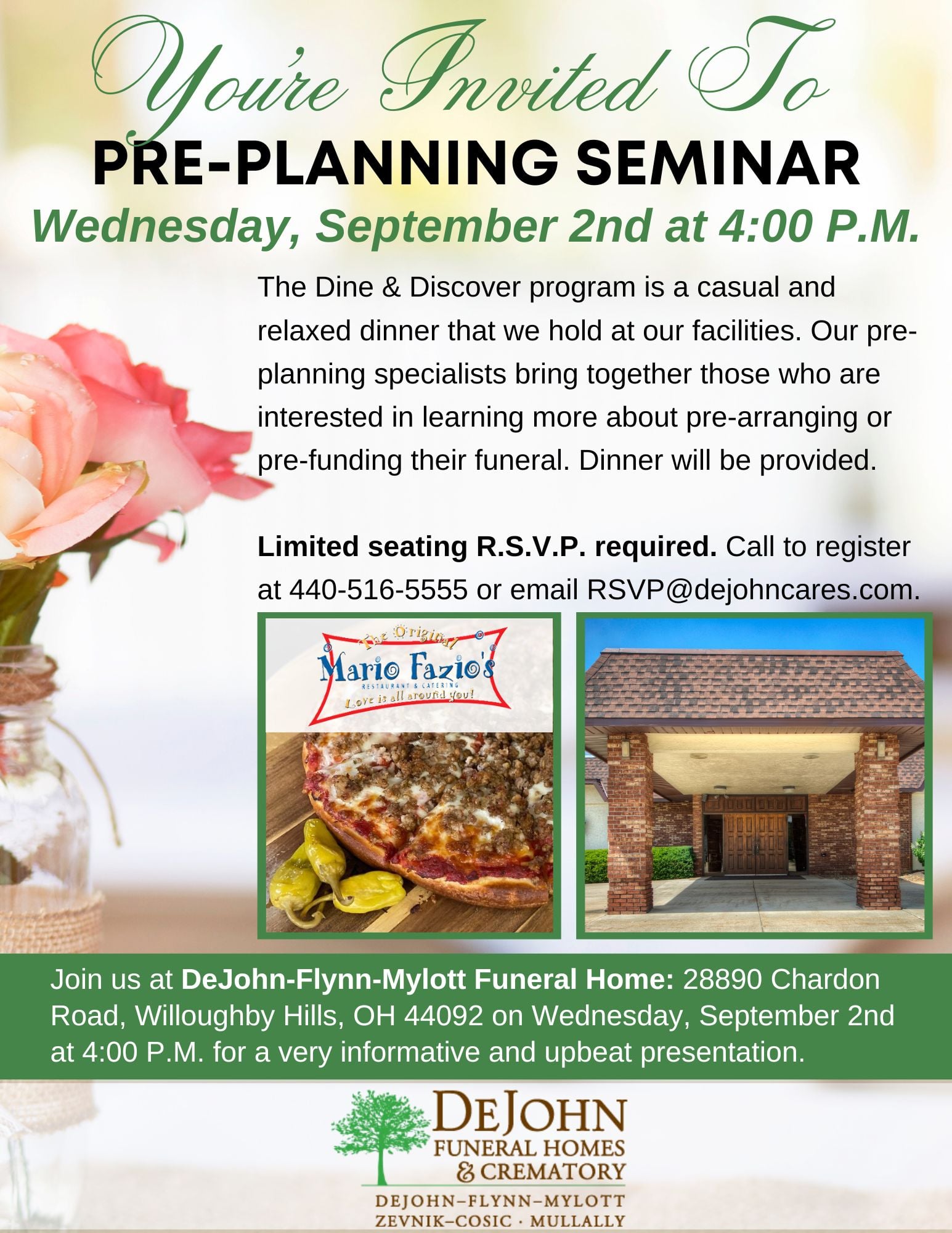
You’re Invited To Our… Pre-Planning Seminar Wednesday, September 2nd at 4:00 P.M. The Dine & Discover program is a casual
Find answers to common questions about obituary planning, newspaper notices, and other helpful resources.
GRIEF: “Is reaching out for someone who’s always been there, only to find when you need them the most, one last time, they’re gone.”
The death of a loved one is life’s most painful event. People’s reactions to death remain one of society’s least understood and most off-limits topics for discussion. Oftentimes, grievers are left totally alone in dealing with their pain, loneliness, and isolation.
Grief is a natural emotion that follows death. It hurts. Sadness, denial, guilt, physical discomfort, and sleeplessness are some of the symptoms of grief. It is like an open wound which must become healed. At times, it seems as if this healing will never happen. While some of life’s spontaneity begins to return, it never seems to get back to the way it was. It is still incomplete. We know, however, that these feelings of being incomplete can disappear.
Healing is a process of allowing ourselves to feel, experience, and accept the pain. In other words, we give ourselves permission to heal. Allowing ourselves to accept these feelings is the beginning of that process.
The healing process can take much less time than we have been led to believe. There are two missing parts. One is a safe, loving, professionally guided atmosphere in which to express our feelings; the other is knowing how and what to communicate.
When we experience a major loss, grief is the normal and natural way our mind and body react. Everyone grieves differently. And at the same time there are common patterns people tend to share.
For example, someone experiencing grief usually moves through a series of emotional stages, such as shock, numbness, guilt, anger and denial. And physical responses are typical also. They can include: sleeplessness, inability to eat or concentrate, lack of energy, and lack of interest in activities previously enjoyed.
Time always plays an important role in the grieving process. As the days, weeks and months go by, the person who is experiencing loss moves through emotional and physical reactions that normally lead toward acceptance, healing and getting on with life as fully as possible.
Sometimes a person can become overwhelmed or bogged down in the grieving process. Serious losses are never easy to deal with, but someone who is having trouble beginning to actively re-engage in life after a few months should consider getting professional help. For example, if continual depression or physical symptoms such as loss of appetite, inability to sleep, or chronic lack of energy persists, it is probably time to see a doctor.
Allow Yourself to Mourn
Someone you love has died. You are now faced with the difficult, but important, need to mourn. Mourning is the open expression of your thoughts and feelings regarding the death and the person who has died. It is an essential part of healing. You are beginning a journey that is often frightening, painful, overwhelming and sometimes lonely. This brochure provides practical suggestions to help you move toward healing in your personal grief experience.
Realize Your Grief is Unique
Your grief is unique. No one will grieve in exactly the same way. Your experience will be influenced by a variety of factors: the relationship you had with the person who died, the circumstances surrounding the death, your emotional support system and your cultural and religious background.
As a result of these factors, you will grieve in your own special way. Don’t try to compare your experience with that of other people or to adopt assumptions about just how long your grief should last. Consider taking a “one-day-at-a-time” approach that allows you to grieve at your own pace.
Talk About Your Grief
Express your grief openly. By sharing your grief outside yourself, healing occurs. Ignoring your grief won’t make it go away; talking about it often makes you feel better. Allow yourself to speak from your heart, not just your head. Doing so doesn’t mean you are losing control, or going “crazy”. It is a normal part of your grief journey. Find caring friends and relatives who will listen without judging. Seek out those persons who will “Walk with, not in front of” or “behind” you in your journey through grief. Avoid people who are critical or who try to steal your grief from you. They may tell you, “keep your chin up” or “carry on” or “be happy.” While these comments may be well intended, you do not have to accept them. You have a right to express your grief; no one has the right to take it away.
Expect to Feel a Multitude of Emotions
Experiencing a loss affects your head, heart and spirit. So you may experience a variety of emotions as part of your grief work. Confusion, disorganization, fear, guilt, relief or explosive emotions are just a few of the emotions you may feel. Sometimes these emotions will follow each other within a short period of time. Or they may occur simultaneously.
As strange as some of these emotions may seem, they are normal and healthy. Allow yourself to learn from these feelings. And don’t be surprised if out of nowhere you suddenly experience surges of grief, even at the most unexpected times. These grief attacks can be frightening and leave you feeling overwhelmed. They are, however, a natural response to the death of someone loved. Find someone who understands your feelings and will allow you to talk about them.
Allow for, Numbness
Feeling dazed or numb when someone loved dies is often part of your early grief experience. This numbness serves a valuable purpose: it gives your emotions time to catch up with what your mind has told you. This feeling helps create insulation from the reality of the death until you are more able to tolerate what you don’t want to believe.
Be Tolerant of Your Physical and Emotional Limits
Your feelings of loss and sadness will probably leave you fatigued. Your ability to think clearly and make decisions may be impaired. And your low energy level may naturally slow you down. Respect what your body and mind are telling you. Nurture yourself. Get daily rest. Eat balanced meals. Lighten your schedule as much as possible. Caring for yourself doesn’t mean feeling sorry for yourself; it means you are using survival skills.
Develop a Support System
Reaching out to others and accepting support is often difficult, particularly when you hurt so much. But the most compassionate self-action you can do during this difficult time is to find a support system of caring friends and relatives who will provide the understanding you need. Find those people who encourage you to be yourself and acknowledge your feelings – both happy and sad.
Make Use of Ritual
The funeral ritual does more than acknowledge the death of someone loved. It helps provide you with the support of caring people. Most importantly, the funeral is a way for you to express your grief outside yourself. If you eliminate this ritual, you often set yourself up to repress your feelings and you cheat everyone who cares for a chance to pay tribute to someone who was, and always will be, loved.
Embrace Your Spirituality
If faith is part of your life; express it in ways that seem appropriate to you. Allow yourself to be around people who understand and support your religious beliefs. If you are angry with God because of the death of someone you loved, realize this feeling as a normal part of your grief work. Find someone to talk with who won’t be critical of whatever thoughts and feelings you need to explore.
You may hear someone say, “With faith, you don’t need to grieve.” Don’t believe it. Having your personal faith does not insulate you from needing to talk out and explore your thoughts and feelings. To deny your grief is to invite problems that build up inside you. Express your faith, but express your grief as well.
Allow a Search for Meaning
You may find yourself asking. “Why did he die?” “Why this way?” “Why now?” This search for meaning is another normal part of the healing process. Some questions have answers. Some do not. Actually, the healing occurs in the opportunity to pose the questions, not necessarily in answering them. Find a supportive friend who will listen responsively as you search for meaning.
Treasure Your Memories
Memories are one of the best legacies that exist after someone loved dies. Treasure them. Share them with your family and friends. Recognize that your memories may make you laugh or cry. In either case, they are a lasting part of the relationship that you had with a very special person in your life.
Move Toward Your Grief and Heal
The capacity to love require the necessity to grieve when someone you love dies. You can’t heal unless you openly express your grief. Denying your grief will only make it become more confusing and overwhelming. Embrace your grief and heal.
Reconciling your grief will not happen quickly. Remember, grief is a process, not an event. Be patient and tolerant with yourself. Never forget that the death of someone loved changes your life forever. It’s not that you won’t be happy again. It’s simply that you will never be exactly the same as you were before the death.
“The experience of grief is powerful. So, too, is your ability to help yourself heal. In doing the work of grieving, you are moving toward a renewed sense of meaning and purpose in you life.”
Dr. Alan D. Wolfelt
Center for loss and life transition
Decomposition of the body in the earth (after burial) is the slow oxidation of the body tissues.
Cremation, on the other hand, provides rapid oxidation.
No casket is legally required for cremation, just a simple container, which is strong enough to hold the body. This could be a box of rough boards, pressboard, or heavy cardboard.
Some crematories accept metal caskets; most require the container to be combustible.
Cremation Choices
If the body is cremated:
The remains can be stored by the family You may take the remains in the simple cardboard box supplied by the crematory and distribute (“scatter”) them over the land or water. The remains can be placed in a niche within a columbarium. The remains can be buried in the ground in a regular plot or in a smaller cremation plot. The remains can be entombed in a crypt within a mausoleum.
Why people choose cremation
In the United States, in 1972, only five percent chose cremation. That number had quintupled by 1999, with over 25% choosing cremation.
The Cremation Association of North America predicts that by 2010, that figure will rise to 36%.
In Canada, the rate is already over 42%; in Great Britain, 71%; and over 98% in Japan.
Those who choose cremation (for themselves or others) often hold the belief that it is better to honor the memory of the person, not the dead body.
Here are some other reasons you might choose cremation:
Cremation is traditional in your family, religious group, or geographical area You prefer the body to be returned quickly and cleanly to the elements. Many people believe that a cremated body becomes one with nature more quickly. You have environmental concerns, Perhaps you are worried about the use of valuable land for cemetery space, or believe it is wrong to fill the ground with materials that won’t erode … metal coffins and concrete vaults. You want to keep the costs down
Selecting cremation does not mean, however, that you will have an inexpensive funeral.
You might still choose an expensive casket and/or a viewing, and/or decide to have the cremated remains buried in the ground or placed in a columbarium. These choices can bring your costs up to those of a traditional funeral.
Decisions You Must Make If You Choose Cremation
Who will do the cremation (a funeral home or a firm that specializes in direct cremation)Whether to use an urn or container What to do with the remains If you are distributing the remains: Some jurisdictions have laws prohibiting the scattering of remains; others require a permit. Ask your funeral director.
Also ask if there are any firms in your area that specialize in unique ways of distributing the remains, such as a plane to spread them over a mountain, or a ship to scatter them at sea.
Think of places that were especially loved by the deceased, close to home or far away. You can walk in the woods, by a favorite lake, or on the old family farm.
Be sure to ask permission if you want to use private property.
What about using the remains to create new life, by planting a tree? Some survivors choose to mix the remains with the soil in flowerbeds and rose gardens at home. Every time the roses bloom, you will be reminded of your loved one.
If you decide to do this, however, consider what will happen if, some day, you move away.
This page, and the one on cremation, may be especially difficult for you, yet deciding between burial and cremation is one of the first choices you must make. It’s your decision!
Disposition is the term used by the funeral industry to describe the final handling of the deceased’s remains.
Although your initial decision for the disposition of the body is between burial and cremation, there are several variations on each.
Whichever choice you make, the body will eventually return to its natural elements.
Burial Choices
If the body is buried…
It can be interred (earth burial).It can be entombed in a crypt within a mausoleum (above-ground burial).It can be buried at sea.
Why people choose burial
Although the trend is moving toward cremation, the majority of North Americans still choose to bury their dead and to be buried themselves. Here are some reasons you might choose burial.
1. Burial is traditional within your family, religious group, or geographical area
For instance, in the United States today, about 79 percent choose burial. In Canada, the rate is about 64 percent.
2. You do not like the idea of the body being “burned”
You prefer to have the body slowly return to the elements.
3. You want to erect a monument on the grave
Perhaps you want to visit the grave in the days to come, and you find a graveyard more appealing than say, a columbarium.
Decisions You Must Make If You Choose Burial
Whether or not the body is to be embalmedWhich kind of casket (or coffin) will house the bodyWhether to buy a casket, rent one, or build your ownWhether or not the cemetery requires a vault or grave linerWhich cemetery to useWhat kind of plotWhat to put on the gravestone
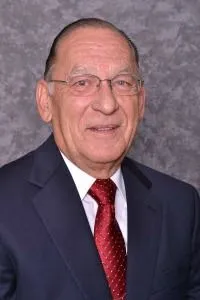
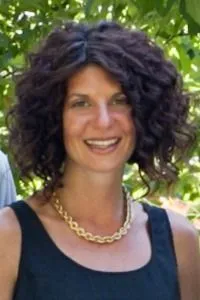
As the Community Liaison and Funeral Assistant of DeJohn Funeral Homes & Crematory, Melissa DeJohn Capretta is developing relationships and strengthening community partnerships for the family business. She is also gaining new experience as a funeral director apprentice while helping people during their time of need.
Her passion to be present for people enables her to give others the sense of comfort they are seeking and allows them to trust in her expertise in planning during an overwhelming and emotional time.
Melissa primarily serves families at our Funeral Home in Chardon, but she can be found at any one of our locations assisting families in planning the best way to honor the memory of their loved ones.
A graduate of Mayfield High School, Melissa attended Northern Arizona University to earn her Bachelor’s Degree in Fine Arts, Ceramics and Science Education to teach art for K-12. As an art teacher, she thrived on being able to teach kids new art techniques and how to express themselves through art during the school day.
Melissa currently resides in Chardon with her husband, Rick, and their two children Charlie and Olive.
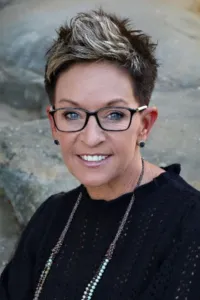
Pre-Need Advisor ~ Pet Services Specialist
Wendy was born in Southern California and was raised in Kent Ohio. Wendy entered into the role of Pre-Need Specialist with a host of knowledge and understanding of insurance through various life and health insurance classes. She joined the DeJohn family in 2021 and has been passionate about helping people understand the importance of planning. Having lost her husband in 2018, Wendy has a special appreciation for pre-need and hopes to help people before they are placed in a tough situation like planning the funeral of their loved one.
Her family comes first, so when she has downtime, she usually starts with a cup of coffee before jumping into a day with her boys Cooper and Knox. She also loves supporting community initiatives around Willoughby where she lives and traveling, reading and working on her yard.
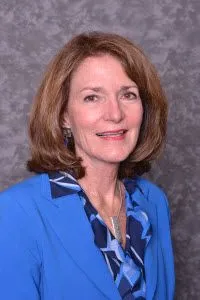
Pre-Need Advisor
Every day Denise Brennan comes to work with a smile on her face knowing she is going to have another great day helping families to prearrange their funeral. Since 2002, she has enjoyed helping families to choose DeJohn Funeral Homes and providing prearrangement advice and counsel to families as a Preneed Specialist.
“Prearrangement is a wonderful service. People are so grateful when we help them create a plan and create solutions – not problems – for their next of kin. Many times families are surprised that its not a difficult process to make the prearrangement,” said Denise.
She also follows up with families after the death of a loved one to ensure everything was taken care of during the funeral and assist with any follow up requests from death certificate copies to assisting with acknowledgement notes. When not out visiting families at their homes to make arrangements, Denise is most often found at the DeJohn Funeral Home in Willoughby Hills.
While Denise considers herself a work person, she also enjoys being outdoors in her garden or talking a walk through the Cuyahoga Metroparks near her home in Richmond Heights. As an avid walker, she especially likes walking through her neighborhood when she cannot get to a park or visiting her daughter nearby.
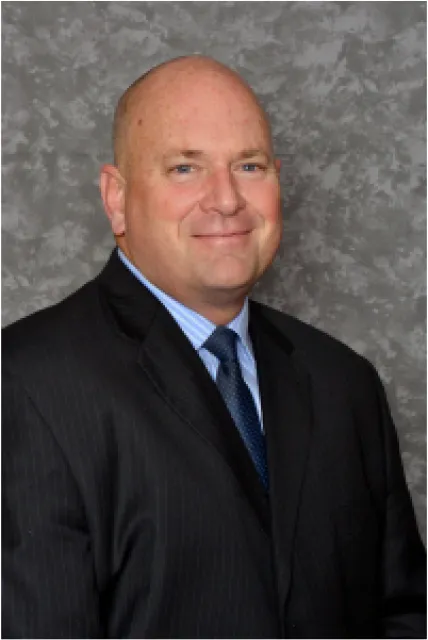
Licensed Funeral Director
A graduate of Cleveland State University and the Pittsburgh Institute of Mortuary Science, Jim’s career in funeral service dates from 1954. He is a second generation Licensed Funeral Director and Embalmer, a Licensed Pre-Arrangement Specialist, and is a member of the Cuyahoga, Ohio, and National Funeral Directors Associations, as well as the Embalmers Association of Cleveland. He and his wife Kerry are proud parents of twin boys
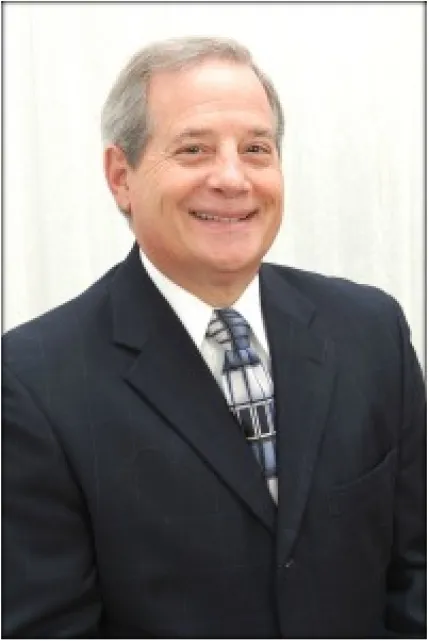
Licensed Funeral Director
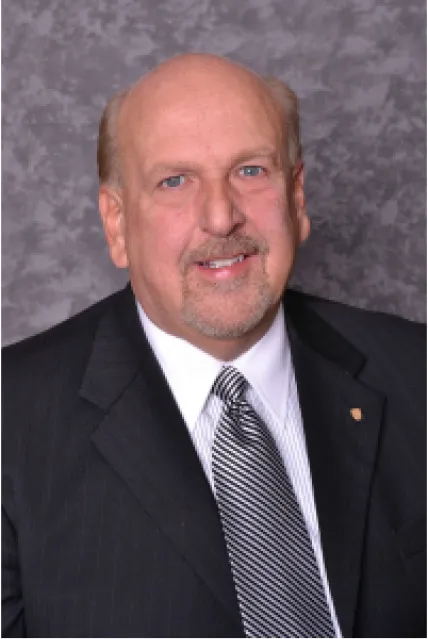
Bob is a past graduate of Bowling Green State University and member of the Sigma Chi Fraternity. A Licensed Funeral Director since 1988, he is also a Licensed Life Insurance Agent and Pre-Arrangement Specialist. He is a member of the Cuyahoga, Ohio, and National Funeral Directors Associations, as well as the Embalmers Association of Cleveland. He is currently a City Council Member for Mayfield Heights. He has served on the Board of the Hillcrest YMCA, and devotes his time to many public service and fraternal organizations such as Mayfield High School and Sigma Chi Alumni Associations. He is also a member of the Knights of Columbus Gilmour Council 310. Additionally, he volunteers his time at the Western Reserve Model Railroad Museum. He is a parishioner of St. Francis of Assisi Church and also serves as an usher and parishioner of St. Clare Church. Bob is married to the former Lori Boslett, who is a Registered Nurse at Hillcrest Hospital. The couple has two children.
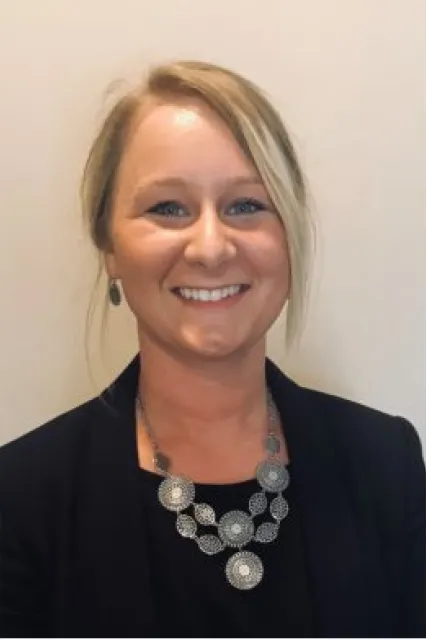
Licensed Funeral Director & Embalmer ~ Certified Celebrant ~ Certified Crematory Operator
As a new funeral director at DeJohn Funeral Homes, Constance Scheanon brings a wonderful new personality to the families served as she helps them on their journey through loss.
A first generation Funeral Director/Embalmer and Certified Life Celebrant, at the end of the day Constance finds a sincere “Thank You” makes it all worth it to serve families during a very difficult time.
Her interest in funeral homes and death care began as a junior in high school, when she participated in a mentorship program where she shadowed a funeral director for a few weeks. She continued her education to earn a Bachelor’s of Mortuary Science from Cincinnati College of Mortuary Science then returned home to Ashtabula to serve her apprenticeship.
As a Licensed Funeral Director/Embalmer and Certified Life Celebrant, Constance helps families, by providing meaningful services to those wanting to tell the story of their loved one. From the moment she meets a family, she commits to taking care of them and their loved one who has passed.
She said, “I do not leave that family at the funeral home. I take that family home with me and continuously think about them. I listen to each families unique wants and needs and try to figure out the best way to serve them.”
Always willing to spend extra time doing a dry run of the route for a funeral procession or thinking of a family’s specific needs, Constance wants to serve each family as best as she can.
She said, “Being a Celebrant is one of my favorite parts of my job. By the end of the service, I feel as if I had known the loved one and their family for years.”
Constance added, “All relationships are about successes and failures that mold you into the greatest version of you. I have already seen growth in myself as a person and funeral director, and I thank DeJohn’s and the group of people “DeJohn family” for that.”
Originally from Ashtabula, Constance has enjoyed exploring the parks and restaurants around Chardon, adding that being closer to Cleveland has “already exposed me to so much more culture in my community.” She especially enjoys hiking with friends and seeking out beach glass as it is calming to her. She is also looking forward to supporting more local businesses and organizations in her new community.
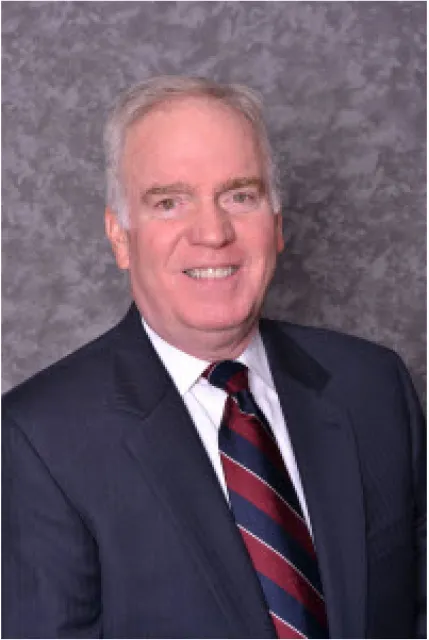
Licensed Funeral Director
Bill White greets families at DeJohn Funeral Homes with care and understanding ; knowing there are many choices that need to be made after a loved one has died. He knows this comes with a roller coaster of emotions that family may experience as well.
Since childhood, Bill has had an interest in funeral care.
“I attended my aunts’ funeral in first grade and was fascinated by the whole funeral process. I knew thats what I wanted to do and I’ve had an interest in death care ever since,” said Bill. His passion helps families begin to heal through their grief process.
A native Clevelander, Bill has devoted his life to funeral care and manages the DeJohn Funeral Homes South Euclid Chapel. He holds a Bachelor of Arts degree in Philosophy from Borromeo College of Ohio, attended John Carroll University and is a graduate of St. Joseph High School. He is a member of the Gesu 50+ Club and the East Side Irish American Club.
“I enjoy seeing how religion is integrated into the funeral. What I enjoy best is being able to help families through the process so see their departed to their final resting place,” he added.
He is also a proud veteran of the United States Army, serving with the Criminal Investigation Unit (C.I.D.) at the Presidio of San Francisco in California.
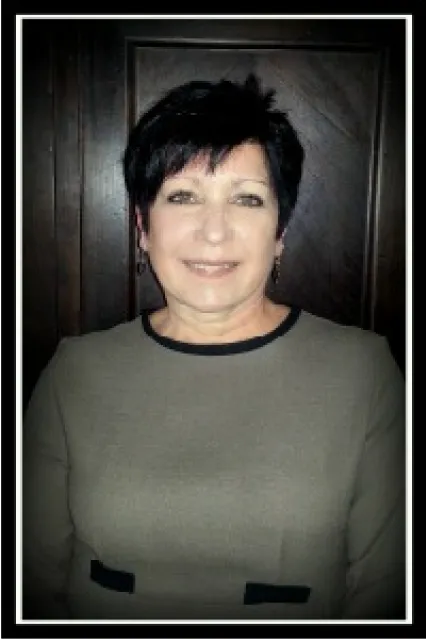
Bereavement and Aftercare Specialist
We believe it is especially important to assist families in dealing with their grief. As a grief and bereavement educator, Patty is an important part of that process. As a grief therapist she has taught courses on death and dying at Ursuline College and has facilitated grief support groups since 1989.
She graduated with a degree in Psychology from Ursuline College and received her Masters Degree in Clinical Counseling from John Carroll University. She was in private practice for 15 years with Dr. Thomas Frazier, Ph.D. and currently she sees clients at the Chesterland and Willoughby Hills facilities where she serves as a Wellness Life Coach. She is also a Reiki Master and has given treatments for the past 18 years.
In addition to her Bereavement work at the funeral home, Patty shares her expertise with the community where she has given workshops and lectures for the Catholic Diocese of Cleveland, Hospice of the Western Reserve and many local churches and community organizations. Patty is a member of the Association for Death Education & Counseling.
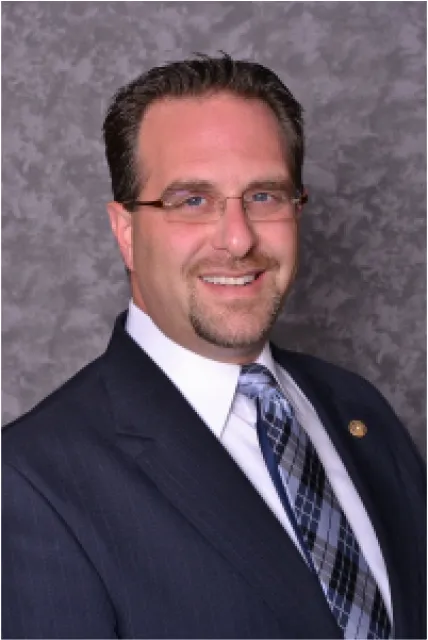
President and COO ~ Licensed Funeral Director
Joining his father, grandfather, and the rest of the DeJohn family, Ross represents the third generation of the DeJohn family and sixth generation of family values and heritage in the firm. After graduating from the University of Dayton where he was President of the Student Government and an active member of the Sigma Chi Fraternity, he received his Funeral Director license in 2000 and today progressively leads our firm into the decades ahead.
Ross III became deeply involved in the community serving as board member and Past Vice-President of the Mayfield Area Chamber of Commerce, long-time board member and Past President of the Rotary Club of Hillcrest, and as Scholarship Chair of the Mayfield Alumni Association serving on the Board of Directors. He is also a parishioner of St. Noel Church in Willoughby Hills. Committed to his profession, Ross is an invited member of several national study groups and the Cuyahoga, Ohio, and National Funeral Directors Associations as well as the International Cemetery Cremation and Funeral Association.
He is the proud father of three daughters and resides in Kirtland.
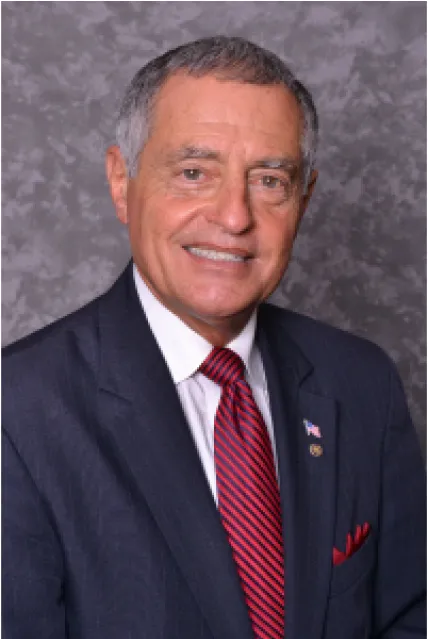
Chairman & CEO ~ Licensed Funeral Director
Ross DeJohn Jr. joined his father in the family business in 1977. Ross understood from the very beginning the importance of his family’s tradition. He understands the heritage of his family and profession as well as the changing needs of the community he serves.
After graduating from Bowling Green State University, where he was a member of the Sigma Chi Fraternity, he became a Licensed Funeral Director in 1986. He is a member of the Cuyahoga, Ohio, and National Funeral Directors Associations. He served in the U.S. Army in 1972 as a 2nd Lieutenant, and was an Army Reserve Captain from 1974 to 1980. He is also Past President of the Mayfield Area Chamber of Commerce.
Ross completed the Hospice of the Western Reserve Volunteer Training Program which enables him to volunteer at Hillcrest Hospital and other facilities with our Staff therapy dogs Magic and Coco. Ross Jr. is a parishioner at St. Noel Church in Willoughby Hills, Ohio and has been married to his wife Patty since 1971. They have three children and five grandchildren. Ross and Patty reside in Kirtland, Ohio.